Zagora, Morocco: Complete Travel Guide, History, Sahara Desert, Culture & Visitor Information
Introduction to Zagora, Morocco
Zagora is a historic desert town located in southeastern Morocco in the Drâa-Tafilalet region. Surrounded by the vast palm groves of the Draa Valley and the beginning of the Sahara Desert, Zagora is widely known as one of the main gateways to the Moroccan Sahara. For centuries the town has been an important crossroads for trade, culture, and travel between North Africa and the deep Sahara.
Today Zagora attracts travelers from all over the world who want to explore the desert, ride camels across golden dunes, visit ancient kasbahs, and discover authentic Amazigh culture. The town offers a combination of oasis landscapes, desert adventures, historical sites, and traditional Saharan life.
Because it is closer to Marrakech than other desert destinations, Zagora has become one of the most accessible places in Morocco to experience the Sahara Desert.
Geography and Location of Zagora
Zagora lies in the heart of the Draa Valley, one of the longest oasis valleys in Morocco. The valley follows the Draa River, which flows from the High Atlas Mountains toward the Sahara. Along the river thousands of date palms grow in fertile oasis farms surrounded by desert landscapes.
The town is located:
- about 350–360 km from Marrakech
- about 165 km from Ouarzazate
- about 90 km from M’Hamid El Ghizlane
- about 700 meters above sea level
The geography of the region includes palm groves, rocky desert plains, sand dunes, and mountain ranges. The nearby Jebel Zagora mountain overlooks the town and is believed to be the origin of the city’s name.
Population and Local Life
Zagora has a population estimated between 37,000 and 40,000 inhabitants. Although small compared with major Moroccan cities, the town serves as an important administrative center for the surrounding desert communities.
Most residents belong to Amazigh (Berber) tribes who have lived in the Draa Valley for centuries. Traditional life in the region is closely connected to agriculture and oasis farming.
Local crops include:
- dates
- henna
- almonds
- barley
- vegetables grown in oasis gardens
Languages spoken in Zagora include Moroccan Arabic (Darija), Tamazight, and Tachelhit.
Despite its remote desert location, Zagora has developed into a lively town with markets, hotels, restaurants, and tourism services.
History of Zagora
Ancient Berber Settlement
The Draa Valley has been inhabited for thousands of years because it provides water and fertile land in the middle of the desert. Early Amazigh tribes established oasis villages along the river where agriculture could flourish.
These communities developed sophisticated irrigation systems called khettaras to bring water from underground sources to farmland.
The Trans-Saharan Trade Era
During the Middle Ages, Zagora became an important stop along the Trans-Saharan caravan routes that connected Morocco with West Africa.
Camel caravans traveled across the desert carrying valuable goods such as:
- gold from West Africa
- salt from Saharan mines
- ivory
- textiles
- spices
Merchants traveled from cities such as Marrakech and Fez to the legendary trading center of Timbuktu in Mali.
The most famous symbol of this historic trade route is the sign in Zagora that reads:
“Tombouctou 52 Days”
This sign refers to the time required for camel caravans to travel from Zagora to Timbuktu.
Medieval Fortresses and Dynasties
The Almoravid dynasty, which ruled Morocco during the 11th century, built a fortress on the mountain overlooking Zagora to control trade routes across the desert.
Later, during the Saadian dynasty in the 16th century, the region remained strategically important for commerce and military operations across the Sahara.
Modern Development
In the 20th century the town expanded during the French colonial period when modern roads were built connecting Zagora with Ouarzazate and Marrakech.
Today the city is known mainly for tourism, agriculture, and desert exploration.
Culture and Festivals in Zagora
Zagora and the surrounding Sahara region host several cultural festivals that celebrate nomadic traditions and desert heritage.
Nomads Festival
One of the most famous cultural events near Zagora is the Nomads Festival held in M’Hamid El Ghizlane.
The festival celebrates Saharan culture with:
- traditional music
- camel races
- desert crafts
- nomadic poetry
- cultural performances
Zagora Marathon
The Zagora Marathon is an international race that attracts runners from around the world. The race takes place through the desert landscapes and palm groves around the city.
Local Moussem Festivals
Religious festivals called moussem are held to honor local saints. These celebrations include music, traditional food, and community gatherings.
Sahara Desert Regions Near Zagora
M’Hamid El Ghizlane
M’Hamid El Ghizlane is the last town before the true Sahara Desert begins. Beyond this point paved roads end and travelers enter the open desert.
This village serves as the main starting point for expeditions to the great dunes of southern Morocco.
Erg Lihoudi
Erg Lihoudi is a small but beautiful dune field located near M’Hamid. It is one of the most popular places for camel trekking and overnight desert camps because it is relatively easy to reach.
Erg Chigaga
Erg Chigaga is one of the largest and wildest dune fields in Morocco. Located about 60 km from M’Hamid, these dunes can reach heights of around 50 meters.
Because the area is remote, it can only be reached by 4×4 vehicles or camel caravans.
Erg Chigaga offers one of the most authentic Sahara experiences in Morocco.
Erg Zahar
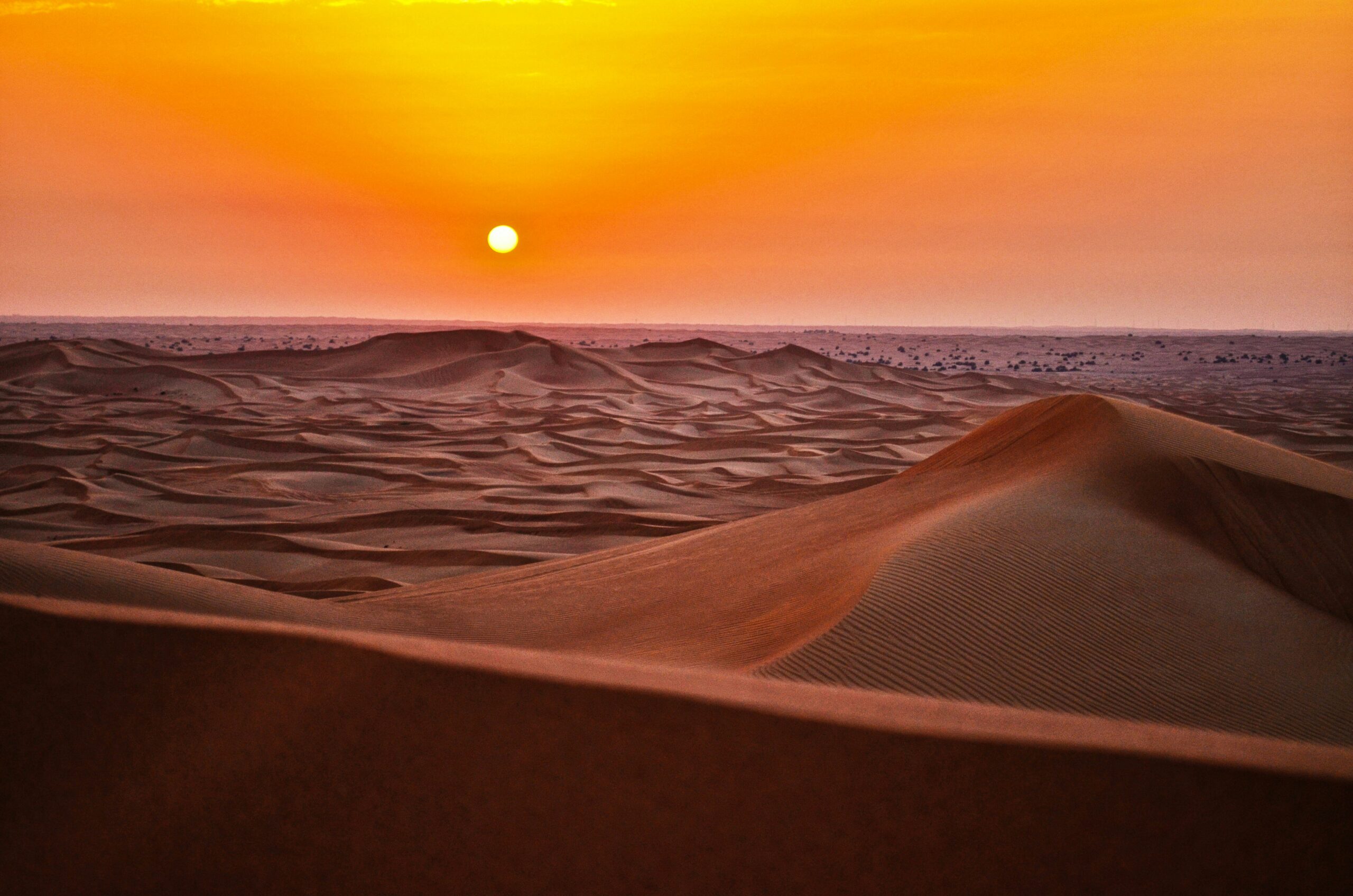
Erg Zahar is a remote dune system located between M’Hamid and Erg Chigaga. It is less visited but famous for its peaceful atmosphere and spectacular desert sunsets.
Lake Iriki and Iriki National Park
Lake Iriki is a dry desert lake located west of Erg Chigaga. The area is now part of Iriki National Park, which protects desert wildlife and landscapes.
During rare rainy seasons the lake fills with water, creating a temporary oasis in the desert.
Climate and Best Time to Visit Zagora
Zagora has a hot desert climate with very warm summers and mild winters.
Average conditions:
Spring: 20–30°C
Summer: up to 45°C
Autumn: 20–30°C
Winter: 5–20°C
The best time to visit Zagora is during spring and autumn when temperatures are comfortable for desert travel.
Winter is also a pleasant time to visit, although nights can be cold.
Things to Do in Zagora
Visitors to Zagora can enjoy many activities, including:
- camel trekking in the desert
- overnight stays in Sahara camps
- exploring the Draa Valley oasis
- visiting Tamegroute pottery village
- discovering ancient kasbahs
- 4×4 desert adventures to Erg Chigaga
- hiking in desert landscapes
Why Visit Zagora
Zagora offers a unique combination of history, culture, and desert adventure.
Travelers visit because it offers:
- easy access to the Sahara
- beautiful palm oasis landscapes
- authentic Berber culture
- historic caravan routes
- unforgettable desert sunsets
Book Your Zagora Desert Adventure
If you want to experience the beauty of the Sahara Desert and explore the landscapes of southern Morocco, our desert tours from Zagora are the perfect adventure.
📞 Call or WhatsApp
+212 704 394 672
✉️ Email
contact@zagorasaharatours.com
Send your travel dates and the number of people. We reply quickly with availability and the best price.
Frequently Asked Questions About Zagora
1. Where is Zagora located?
Zagora is located in southeastern Morocco in the Draa Valley near the Sahara Desert.
2. How many people live in Zagora?
The population is estimated at around 37,000 to 40,000 residents.
3. Why is Zagora famous?
Zagora is famous as the gateway to the Sahara and for the historic “52 days to Timbuktu” sign.
4. How far is Zagora from Marrakech?
Zagora is about 360 km from Marrakech.
5. What desert dunes are near Zagora?
Erg Lihoudi, Erg Chigaga, and Erg Zahar.
6. What is M’Hamid El Ghizlane?
It is the last village before the Sahara desert begins.
7. What is Lake Iriki?
A dry desert lake located inside Iriki National Park.
8. What is the best time to visit Zagora?
Spring and autumn offer the most comfortable temperatures.
9. Can you do camel trekking in Zagora?
Yes, camel trekking is one of the most popular activities.
10. Are desert camps available?
Yes, there are many traditional and luxury desert camps.
11. What language do people speak in Zagora?
Arabic and Amazigh languages.
12. Is Zagora safe for tourists?
Yes, it is generally a safe destination.
13. Can you visit Erg Chigaga from Zagora?
Yes, desert tours regularly travel there.
14. What is the Draa Valley?
A large oasis valley filled with palm groves.
15. Are there festivals in Zagora?
Yes, including the Nomads Festival and Zagora Marathon.
16. How hot does Zagora get?
Summer temperatures can exceed 45°C.
17. What food is typical in Zagora?
Tagine, couscous, dates, and Moroccan tea.
18. Can families visit Zagora?
Yes, it is suitable for families.
19. What activities can visitors do?
Camel trekking, desert tours, exploring oasis villages.
20. Why should travelers visit Zagora?
Because it offers one of the easiest and most authentic Sahara experiences in Morocco.